Arranging a funeral is a deeply personal and often challenging task. One common question that arises during this process is, do you need a death certificate to arrange a funeral?
Understanding the legal and practical requirements can help alleviate stress and ensure a smooth process.
In this post, we’ll explore the role of a death certificate in funeral planning, outline the steps involved, and highlight the services offered by Respect Funeral Services to support you during this time.
Our aim is to provide clear, comprehensive guidance to help you navigate this sensitive process with confidence.
What Is a Death Certificate?
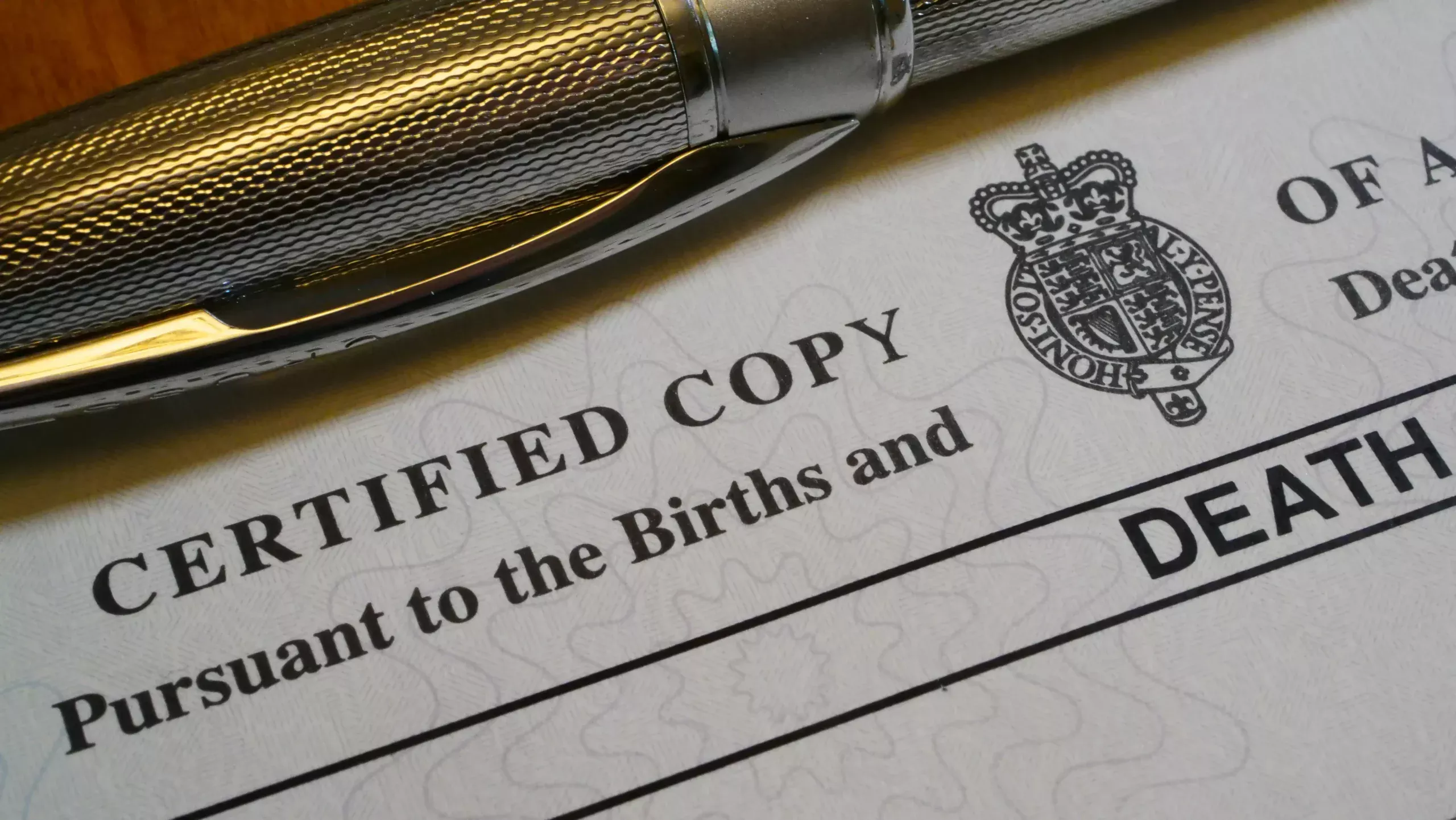
A death certificate is an official legal document issued by the government that confirms a person’s death.
It includes key details such as the deceased’s name, date and place of death, and cause of death (where known).
This document is typically issued by the local registry office in the UK.
In some instances when the coroner is involved they may issue an interim death certificate which can also be used to move forward making all the necessary arrangements
It serves as a formal record for legal, financial, and administrative purposes, such as settling estates, claiming life insurance, or closing bank accounts.
Understanding its purpose is essential when determining its role in funeral arrangements.
Do You Need a Death Certificate to Arrange a Funeral?
In most cases, you do not need a death certificate to begin arranging a funeral in the UK.
However, certain steps in the process may require specific documentation, such as the Form 9 also known as the Green Form and White Part D if a death certificate has been issued by the registrar but you can proceed with a funeral if you have an interim death certificate issued by the coroner, so it all depends on the circumstances and type of funeral.
Let’s break this down to clarify when and how a death certificate may come into play.
Initial Steps in Arranging a Funeral
When someone passes away, the first step is typically to notify a funeral director or begin planning the service.
Checkout Respect’s guide on what to do when someone dies here.
Funeral directors, like those at Respect Funeral Services, can often start the process without a death certificate.
They may require verbal confirmation that you have received a call from the Medial Examiner confirming preliminary paperwork, such as a medical certificate of cause of death (MCCD) has been agreed and it has been forwarded onto the Registrar or indeed you already have an appointment to register.
This medical certificate of cause of death (MCCD), is issued by a medical referee and is used to register the death, which then leads to the issuance of the death certificate.
Registering the Death
Before a death certificate can be issued, the death must be registered with the local registry office.
The government aims for this to be done within five days of the medical examiner receiving the appropriate notification from those who certified the death and possibly the doctor in England and Wales, unless a coroner is involved.
To register the death, you typically need the MCCD, which is provided by the Medical Examiner who obtains the notification from those attended the deceased or, in some cases, a coroner.
Once registered, you can obtain a full death certificate, or if the coroner is involved you may be issued with an interim death certificate, depending on the situation.
When a Death Certificate May Be Required
While funeral directors can begin arrangements without a Green Form & the White Part D or Coroner’s paperwork, certain aspects of the funeral process may require one. For example:
- Cremation: Cremations require additional paperwork, including a digital copy of The Green Form and the White Part D form, which is issued after the death is registered with the registrar.
or documentation from the Coroner is needed to complete this process.
- Burial on Private Land: If you’re arranging a burial on private property, local authorities may request a death certificate to ensure compliance with regulations.
Burial in a private Green Burial Park or Cemetery
They will need The Green Form or a Coroner’s Burial Order
- International Repatriation: If the body is to be transported abroad, a death certificate is typically required for legal and customs purposes.
In most cases, funeral directors will guide you through these requirements and liaise with authorities on your behalf.
At Respect Funeral Services, we aim to streamline this process to reduce the burden on families.
What Happens If the Death Involves a Coroner?
In some cases, such as sudden or unexplained deaths, a coroner may be involved.
This can delay the issuance of a death certificate, as the coroner must investigate the cause of death.
However, this does not necessarily prevent funeral arrangements from starting.
Funeral directors can often proceed with planning based on a certificate provided by the coroner, such as a coroner’s certificate of death or interim death certificate.
Once the investigation is complete, a final death certificate will be issued.
Respect Funeral Services is experienced in handling such cases and can coordinate with coroners to ensure a smooth process.
Why Might You Need a Death Certificate After the Funeral?
While a death certificate may not always be required to arrange a funeral, it is required for post-funeral tasks. These include:
- Settling the Estate: Executors or administrators may need the death certificate to access bank accounts, sell property, or distribute assets.
- Life Insurance Claims: Most insurers require a death certificate to process claims.
- Closing Accounts: Utility companies, banks, and other organisations often request a death certificate to close accounts or transfer services.
It is advisable to consider obtaining multiple copies of the death certificate when registering the death, as these tasks often require original or certified copies.
But many do not as the banks for example make copies and return the original to you whilst you are there and many others accept digital copies / scans and photos.
Funeral directors can advise on how many copies you might need based on your circumstances.
How Respect Funeral Services Can Help
At Respect Funeral Services, we understand that arranging a funeral can be overwhelming, especially when navigating legal requirements like death certificates.
Our compassionate team is here to guide you every step of the way, offering tailored funeral options that honour your loved one’s wishes while remaining affordable. Here’s an overview of the services we provide:
Woodland Green Burials:
A full ceremony set in a peaceful, natural woodland environment.
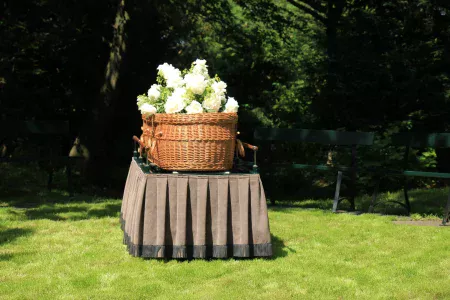
This eco-friendly option allows for a meaningful farewell surrounded by nature, with biodegradable shrouds and coffins leaving minimal environmental impact.
It’s ideal for those who value sustainability and a serene setting.
Direct Burials:
A no-fuss burial option that focuses on simplicity and dignity.
This service excludes a formal ceremony, making it substantially cheaper than a traditional funeral. It is perfect for those seeking a straightforward, low-cost burial.
Direct Cremations:
A no-fuss cremation option that prioritises affordability and simplicity.
Without a formal ceremony, this service allows families to commemorate their loved one in their own way, at a time and place of their choosing. The ashes can be returned to the family for scattering or memorialisation.
Traditional Cremations:
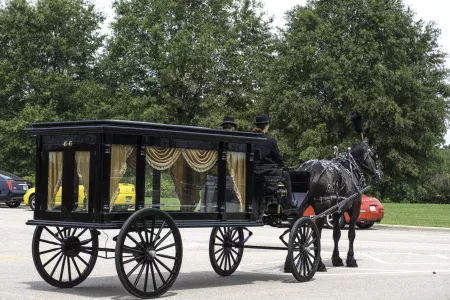
These can be affordable, simple or traditional, perhaps starting from home on the day on to a venue such as a church or village hall then on to the crematorium, we offer every option including horse drawn carriages to motorbike funerals.
Our services are designed to be flexible, dignified, and respectful, ensuring that you can honour your loved one in a way that aligns with your values and budget.
We also assist with navigating paperwork, such as obtaining death certificates or coordinating with coroners, to make the process as stress-free as possible.
Tips for Navigating Funeral Arrangements
To ensure a smooth funeral planning process, consider the following tips:
- Contact a Respect Funeral Services Early: Experienced funeral directors like Respect can guide you through the paperwork and legal requirements, even before a death certificate is issued.
- Register the Death Promptly: This ensures you have access to the death certificate when needed for cremations or other formalities.
- Understand Your Policy: If using life insurance to cover funeral costs, check whether a death certificate is required for claims.
- Choose a Reputable Funeral Provider: Companies like Respect Funeral Services offer transparent, affordable options and support with documentation.
Conclusion
In most cases, you do not need a death certificate to begin arranging a funeral in the UK, though it may be required for specific aspects like cremations or burials on private land.
By working with a trusted funeral provider like Respect Funeral Services, you can ensure that all legal and administrative requirements are handled efficiently.
Our range of services, including woodland green burials, direct burials, and direct cremations, offers dignified and affordable options to suit every need.
If you’re planning a funeral or have questions about the process, contact Respect Funeral Services today for compassionate, professional support.
Reach Out Today For Support With Respect Funeral Services
Ready to explore your options? Contact Respect Funeral Services at 01427 612992 or contact us directly at respectgb.co.uk/contact to learn how we can help you plan a dignified, eco-friendly farewell.
Q&As For UK Death Certificate Requirements
Q1. Can I arrange a funeral before the death is registered?
Yes, in most cases, you can begin arranging a funeral before the death is officially registered. Funeral directors, such as Respect Funeral Services, can start planning based on verbal confirmation that the Medical Examiner has agreed the medical certificate of cause of death (MCCD). However, certain services, like cremations, will require registration to proceed fully. Our team can guide you through the process to ensure all legal requirements are met.
Q2. What is the difference between an interim and a full death certificate?
An interim death certificate is a temporary document issued when a coroner is investigating the cause of death. It allows funeral arrangements to proceed while the investigation is ongoing. A full death certificate is issued once the death is registered and includes complete details, such as the cause of death. Both can be used for funeral planning, depending on the circumstances.
Q3. Do I need a death certificate for a direct cremation or direct burial?
For direct burials, a death certificate is typically not required to begin arrangements, though the Green Form or a burial order is required before the burial takes place. For direct cremations, either a coroners interim death certificate is required or a digital copy of the Green Form and the White Form part D is needed, which requires the death to be registered, which is issued with a death certificate by the registrar. Respect Funeral Services can coordinate these requirements to ensure a smooth process. We offer both direct cremations and burials as affordable, dignified options.
Q4. How long does it take to get a death certificate in the UK?
Once the death is registered (which is typically within five days of the Medical Examiner issuing the MCCD in England and Wales), a death certificate can usually be obtained immediately from the registry office. If a coroner is involved, it may take longer due to the investigation, but an interim death certificate may be issued. Funeral directors can often proceed with planning while awaiting the certificate. Contact Respect Funeral Services for assistance with timing and paperwork.
Q5. Can Respect Funeral Services help with paperwork like death certificates?
Absolutely, Respect Funeral Services provides compassionate support with all aspects of funeral planning, including navigating paperwork. We can liaise with registry offices, coroners, and other authorities to ensure you have the necessary documents, such as the Green Forms and the White Part D form or interim death certificates. Our goal is to make the process as stress-free as possible for you and your family.
Book A Visitation At One Of Our Burial Parks
North Nottinghamshire & South Yorkshire Burial Park
Lincolnshire & North Lincolnshire Burial Park
Contact Respect Directly
After Care
If you need extra help, there are excellent resources available:
- NHS: The NHS offers advice on coping with bereavement, including mental health support. Visit their page on Dealing with Grief and Loss for practical tips and helpline details.
- Respect: the Respect Guide, What To Do When Someone Dies covers benefits like the Bereavement Support Payment.
- Cruse Bereavement Support: A UK charity dedicated to grief, Cruse provides free counselling and resources. Learn more at cruse.org.uk.
- Bereavement Advice: Documents needed for arranging a funeral
- GOV: See if you qualify for a Funeral Expense Payment from the government.
- Funeral Expense Payment Claim Form: https://www.gov.uk/government/publications/funeral-payment-claim-form
- Childrens Funeral Fund: https://www.gov.uk/child-funeral-costs
- Age UK: https://www.ageuk.org.uk/
- Citizens Advice: https://www.citizensadvice.org.uk/
- Turn2Us: https://www.turn2us.org.uk/